
Understanding the Impact of Second Shift Surplus on Industrial Equipment Cost Savings
Industrial operations constantly seek ways to optimize costs and improve asset utilization. One effective strategy involves managing surplus equipment generated by such operations. This approach can significantly influence industrial equipment cost savings and operational efficiency.
Industrial Equipment Cost Savings Through Surplus Management
Managing surplus equipment from industrial operations can reduce capital expenditures. When equipment is underutilized or replaced prematurely, it creates excess inventory that ties up capital. Properly handling this surplus allows you to:
Convert idle assets into liquid capital.
Reduce storage and maintenance costs.
Acquire affordable, quality equipment for ongoing operations.
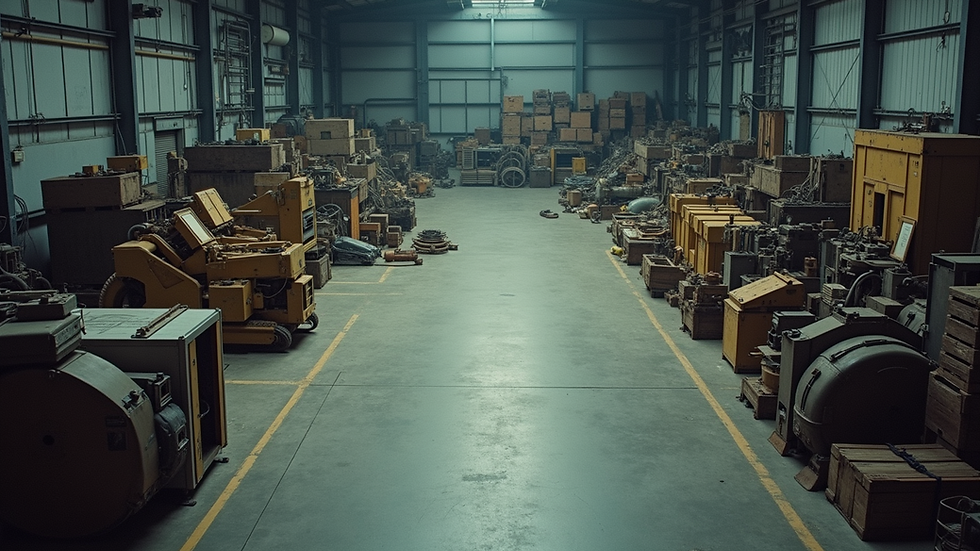
For example, a manufacturing plant running multiple shifts may accumulate unused machinery during normal operations. Instead of letting this equipment depreciate in storage, selling or repurposing it can free up funds for critical upgrades.
```html
Who Usually Performs the Shift?
Typically, this shift involves skilled operators, technicians, and maintenance staff who maintain production continuity. These workers handle equipment during off-peak hours, ensuring that manufacturing targets are met without interruption.
Understanding the workforce on this shift helps in assessing equipment wear and tear. It also informs decisions about which assets may become surplus due to changes in production schedules or automation.
Operational Challenges Linked to Surplus Equipment
Surplus equipment can create logistical and financial challenges:
Storage space constraints: Excess machinery occupies valuable floor space.
Maintenance overhead: Idle equipment still requires upkeep to prevent deterioration.
Asset depreciation: Equipment loses value when not actively used.
Inventory management complexity: Tracking surplus assets demands additional resources.
Addressing these challenges requires a structured approach to asset management. Implementing inventory audits and maintenance schedules can mitigate losses and improve asset turnover.
Strategies to Optimize Surplus Equipment for Cost Savings
To maximize industrial equipment cost savings, consider the following strategies:
Regular Asset Audits
Conduct frequent reviews of equipment usage during this shift. Identify underutilized or obsolete machinery.
Surplus Equipment Sales
Partner with specialized platforms to sell surplus assets. This converts idle equipment into capital.
Equipment Leasing and Sharing
Explore leasing surplus equipment to other facilities or sharing assets within your network.
Preventive Maintenance
Maintain surplus equipment to preserve value and extend usability.
Data-Driven Decision Making
Use operational data to forecast surplus generation and plan accordingly.
Implementing these steps reduces waste and enhances financial performance.
Environmental and Sustainability Benefits
Managing surplus aligns with sustainability goals. By repurposing or reselling equipment, you reduce waste and lower the demand for new manufacturing. This approach supports:
Reduced environmental impact from manufacturing new equipment.
Lower energy consumption associated with production and storage.
Enhanced corporate social responsibility profiles.
Sustainable surplus management contributes to long-term operational resilience.
Leveraging Surplus Equipment for Business Growth
Effectively managing surplus equipment can fuel growth by:
Providing affordable access to quality machinery.
Improving cash flow through asset liquidation.
Enabling reinvestment in technology upgrades.
By partnering with experts in surplus management, you can streamline asset turnover and focus on core production activities.
Efficient handling of surplus equipment is a critical lever for industrial equipment cost savings. It requires disciplined asset management, strategic planning, and a commitment to sustainability. By adopting these practices, you position your operations for improved financial health and operational agility.
```


Comments