
Understanding Different Types of Industrial Tools for Efficient Asset Management
Managing industrial assets requires a clear understanding of the tools involved. Knowing the types of tools available and their specific uses can help you maintain equipment better, improve safety, and reduce downtime. This post explores various industrial tools, focusing on their functions and how they fit into asset management.
Common Types of Industrial Tools and Their Uses
Industrial tools come in many forms, each designed for specific tasks. You will find hand tools, power tools, measuring instruments, and specialized equipment. Here’s a breakdown of some key categories:
Hand Tools
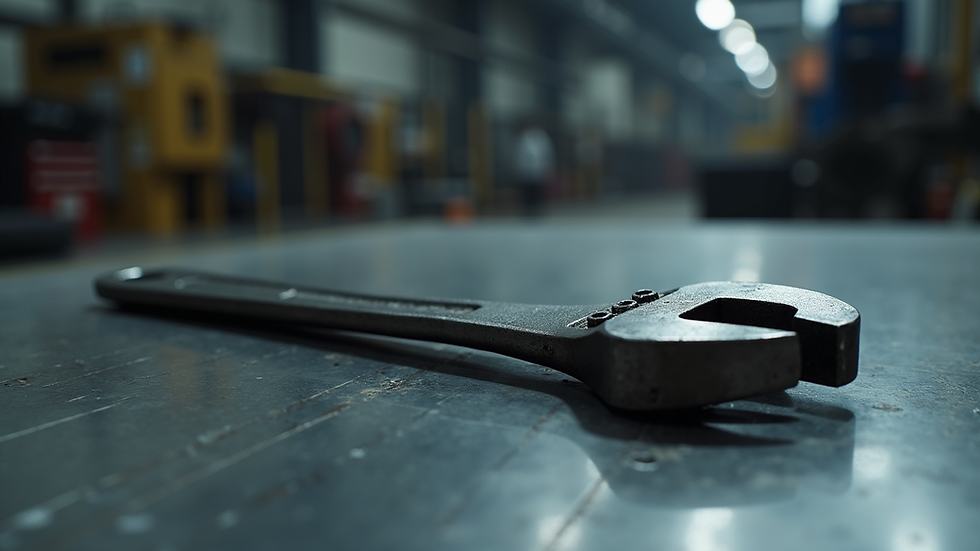
Hand tools are the foundation of any industrial toolkit. They include wrenches, screwdrivers, pliers, hammers, and cutting tools. These tools are essential for routine maintenance, assembly, and repairs.
Wrenches: Used to tighten or loosen nuts and bolts. They come in various types such as adjustable, socket, and torque wrenches.
Screwdrivers: Designed for driving screws. They vary by head type, including flathead, Phillips, and Torx.
Pliers: Useful for gripping, bending, and cutting wires or small components.
Hammers: Employed for driving nails, fitting parts, or breaking objects.
Cutting Tools: Include knives, snips, and saws for cutting materials.
Hand tools are durable and simple but require proper handling to avoid wear or injury.
Power Tools
Power tools use electricity, batteries, or compressed air to perform tasks faster and with less effort. They are common in industrial settings for drilling, grinding, cutting, and fastening.
Drills: Used for making holes or driving screws. Cordless drills offer mobility, while corded drills provide continuous power.
Grinders: Employed to smooth surfaces or remove excess material.
Impact Wrenches: Deliver high torque for loosening or tightening bolts quickly.
Saws: Include circular saws, reciprocating saws, and band saws for cutting various materials.
Power tools increase efficiency but require regular maintenance and safety precautions.
Measuring and Testing Tools
Accurate measurement is critical in industrial operations. Measuring tools ensure parts fit correctly and machines operate within specifications.
Calipers and Micrometers: Measure dimensions with high precision.
Multimeters: Test electrical circuits for voltage, current, and resistance.
Pressure Gauges: Monitor fluid or gas pressure in systems.
Thermometers and Infrared Sensors: Measure temperature in equipment or environments.
Using the right measuring tools helps prevent equipment failure and ensures quality control.
Examples of Industrial Tools in Asset Management
To illustrate how tools fit into asset management, consider these examples:
Industrial Hand Trucks
An industrial hand truck is a simple but vital tool for moving heavy equipment or materials safely. It reduces strain on workers and speeds up transport within a facility.
Type: Material handling equipment
Name: Heavy-Duty Steel Hand Truck
Description: Designed to carry loads up to 800 pounds with a reinforced steel frame and pneumatic tires for rough surfaces.
More info: Heavy-Duty Steel Hand Truck
Using a hand truck helps you manage surplus equipment by moving it efficiently for storage or sale.
Industrial Shelving Units
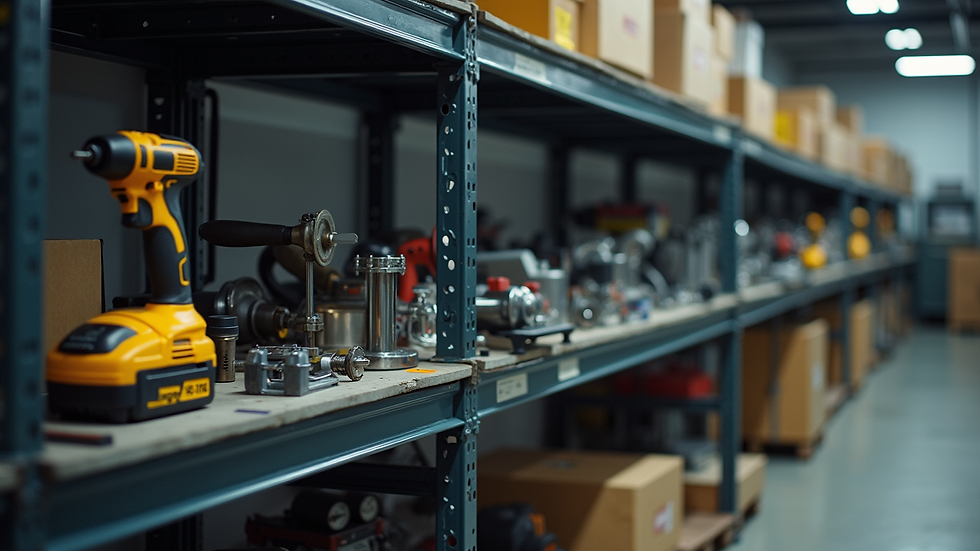
Shelving units organize tools and parts, making inventory management easier. Proper storage extends the life of tools and keeps the workspace safe.
Type: Storage solution
Name: Adjustable Steel Shelving Unit
Description: Features adjustable shelves to accommodate various sizes of equipment and supplies, with a powder-coated finish for durability.
More info: Adjustable Steel Shelving Unit
Shelving units support sustainable growth by reducing clutter and improving access to tools.
Industrial Workbenches
Workbenches provide a stable surface for repairs and assembly. They often include storage options and ergonomic designs to improve productivity.
Type: Workstation
Name: Heavy-Duty Industrial Workbench
Description: Equipped with a solid wood top and steel frame, capable of supporting heavy equipment and tools.
More info: Heavy-Duty Industrial Workbench
A reliable workbench is essential for maintaining equipment and managing surplus assets effectively.
Types of Tools for Effective Management
Shelves: Useful for storing tools and materials in an organized manner.
Toolboxes: Portable storage for hand tools, making them easy to transport and access.
Workbenches: Sturdy surfaces for assembling, repairing, or maintaining equipment.
Carts: Mobile units that can carry tools and materials to different work areas.
Racks: Ideal for holding larger items like ladders or long materials, maximizing vertical space.
Bins: Containers for organizing small parts and accessories, reducing clutter.
Pegboards: Wall-mounted boards for hanging tools, keeping them visible and accessible.
Storage Cabinets: Enclosed spaces for securing tools and equipment, protecting them from dust and damage.
Magnetic Strips: Great for holding metal tools and quick access items in a compact space.

Choosing the Right Tools for Your Facility
Selecting the right tools depends on your facility’s needs, the type of equipment you manage, and the tasks you perform regularly. Consider these factors:
Task Requirements: Match tools to the specific jobs you need to complete.
Durability: Choose tools built to withstand industrial environments.
Safety: Prioritize tools with safety features and proper certifications.
Storage: Plan for adequate storage to keep tools organized and protected.
Budget: Balance cost with quality to ensure long-term value.
Using tools like the Heavy-Duty Steel Hand Truck and Adjustable Steel Shelving Unit can help you manage assets efficiently while supporting sustainable practices.
Maintaining Tools for Longevity and Performance
Proper maintenance extends the life of your tools and keeps them working safely. Follow these guidelines:
Regular Cleaning: Remove dirt, grease, and debris after use.
Inspection: Check for wear, damage, or loose parts before and after tasks.
Lubrication: Apply oil or grease to moving parts as needed.
Storage: Store tools in dry, secure locations to prevent rust and damage.
Calibration: For measuring tools, ensure regular calibration to maintain accuracy.
Maintaining tools reduces downtime and supports your goal to turn surplus equipment into capital by keeping assets in good condition.
Final Thoughts on Industrial Tools and Asset Management
Understanding the types of industrial tools and their proper use is key to managing your assets effectively. Tools like hand trucks, shelving units, and workbenches play a practical role in organizing, maintaining, and moving equipment.
By choosing the right tools and maintaining them well, you support sustainable growth and reduce environmental impact. This approach aligns with the goal to efficiently manage industrial assets and turn surplus equipment into capital.


Comments