
Understanding Second Shift Surplus and How It Impacts Industrial Facilities
Industrial facilities often run multiple shifts to maximize production and meet demand. One common setup is the "second shift," which typically operates in the afternoon and evening hours. The term Second Shift Surplus plays on this idea, referring to the excess inventory and equipment that accumulate as a result of running these extended hours. This surplus includes both used and new assets that are no longer needed or have become redundant.
Managing this surplus efficiently is crucial for industrial businesses. It helps free up space, recover capital, and reduce waste. This post explains what Second Shift Surplus means, why it happens, and how you can handle it effectively.
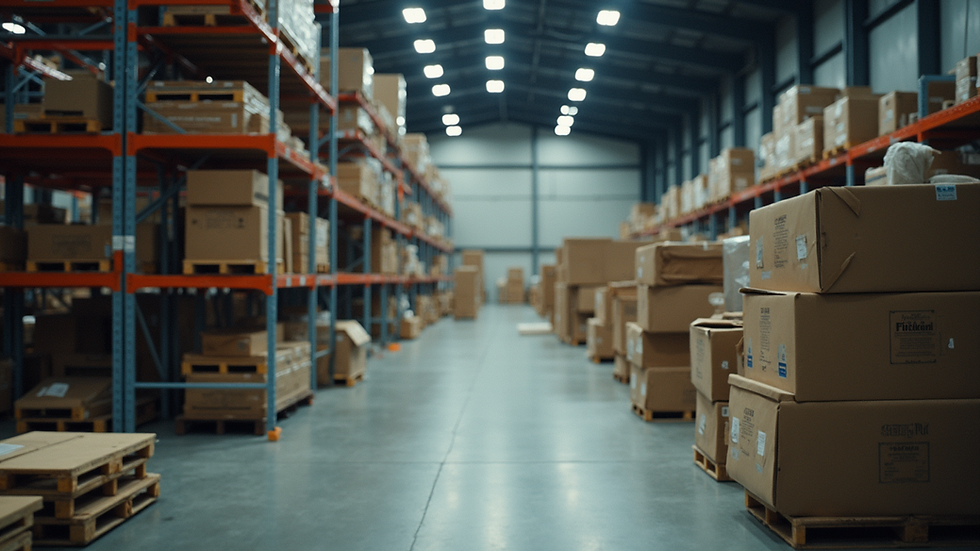
Surplus equipment stored in an industrial warehouse
What Does Second Shift Surplus Mean?
The phrase "Second Shift Surplus" is a pun based on how many industrial plants operate in multiple shifts. The second shift is often the busiest time for production, but it can also lead to an accumulation of extra equipment and materials.
When a facility runs two or three shifts, it often purchases or leases additional machinery, tools, and supplies to keep operations running smoothly. Over time, changes in production schedules, upgrades in technology, or shifts in demand can leave some of these assets unused or underused.
This creates a surplus of industrial assets that can include:
Machinery no longer needed due to process changes
Spare parts and tools left over from previous projects
Equipment replaced by newer models
Overstocked raw materials or supplies
This surplus can take up valuable space and tie up capital that could be better used elsewhere.
Why Does Surplus Build Up in Industrial Facilities?
Several factors contribute to the buildup of surplus assets during second shift operations:
Production Changes: Adjustments in product lines or manufacturing processes can make some equipment obsolete.
Over-Purchasing: To avoid downtime, facilities may buy extra parts or machines, leading to excess inventory.
Upgrades and Replacements: Newer, more efficient equipment replaces older models, which then become surplus.
Shift Scheduling: Running multiple shifts means more wear and tear, requiring spare parts and backup equipment that may not always be used.
Storage Limitations: Limited space can cause facilities to hold onto surplus items longer than necessary.
The result is a growing inventory of used and new assets that need to be managed carefully.
The Challenges of Managing Second Shift Surplus
Holding onto surplus equipment and materials can create several problems:
Space Constraints: Surplus items take up floor space that could be used for production or storage of active inventory.
Capital Tied Up: Money invested in unused assets is money not available for other business needs.
Maintenance Costs: Even unused equipment may require upkeep to prevent deterioration.
Environmental Impact: Disposing of surplus improperly can harm the environment.
Inventory Confusion: Managing surplus alongside active inventory can complicate tracking and ordering.
These challenges make it clear that surplus management is a critical part of running an efficient industrial operation.
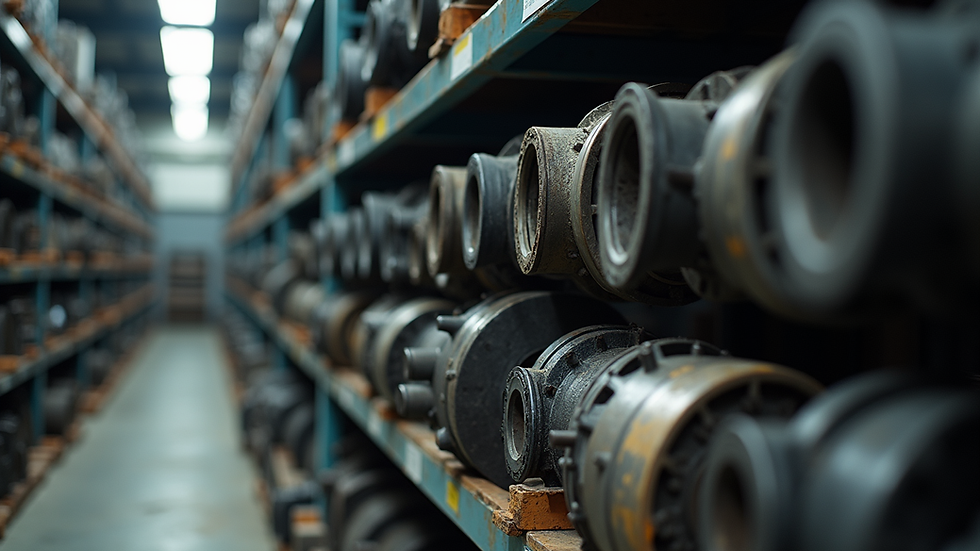
Stacked industrial machinery parts in storage area
How to Handle Second Shift Surplus Effectively
To manage surplus assets, you need a clear strategy that includes assessment, valuation, and liquidation. Here are some practical steps:
1. Conduct a Thorough Inventory Audit
Identify all surplus items, including their condition, age, and usability. This helps you understand what you have and what can be sold or reused.
2. Evaluate Asset Value
Determine the market value of surplus equipment and materials. Some items may still have significant resale value, while others might be better recycled or scrapped.
3. Decide on Liquidation Methods
There are several ways to liquidate surplus assets:
Direct Sale: Sell equipment to other businesses or through online marketplaces.
Auctions: Use industrial auctions to reach a wider audience.
Trade-Ins: Some suppliers accept trade-ins for credit toward new purchases.
Recycling: Environmentally responsible disposal of unusable items.
4. Partner with a Surplus Management Service
Working with a company that specializes in surplus asset liquidation can save time and maximize returns. They handle valuation, marketing, and sales, making the process smoother.
Examples of Surplus Asset Management Products and Services
To illustrate how surplus management works, consider these types of services and products:
Industrial Equipment Liquidation Services
These services help you sell used machinery and tools quickly. They assess your surplus, find buyers, and handle logistics. This reduces your workload and speeds up capital recovery.
Surplus Inventory Management Software
Software solutions track surplus assets, monitor their condition, and help schedule sales or disposal. This keeps your inventory organized and reduces errors.
Refurbished Industrial Equipment Sales
Some companies specialize in refurbishing surplus equipment and reselling it at a lower cost. This option supports sustainability and offers affordable alternatives for other businesses.
For example, a company might use a service like Industrial Equipment Liquidation to sell off surplus machines from the second shift. This service evaluates the equipment, lists it for sale, and manages the transaction.
Why Partnering with a Surplus Management Company Makes Sense
Handling surplus assets internally can be time-consuming and inefficient. A specialized partner offers several benefits:
Expertise: They understand market demand and pricing.
Network: Access to a broad buyer base increases chances of quick sales.
Compliance: Proper disposal methods reduce environmental risks.
Efficiency: Frees your team to focus on core operations.
By working with a surplus management company, you turn excess equipment into capital and reduce clutter.
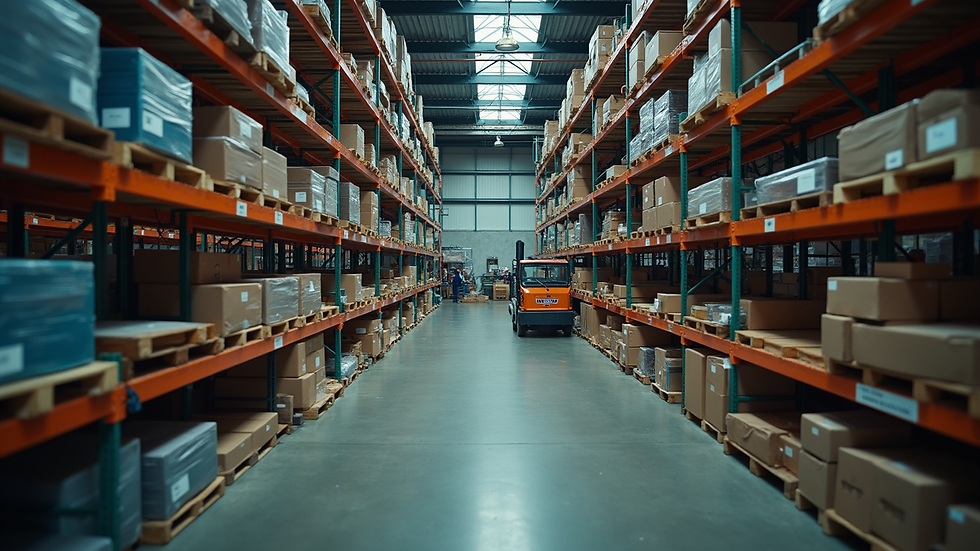
Industrial surplus equipment arranged for sale
Final Thoughts on Managing Second Shift Surplus
Running multiple shifts in an industrial facility often leads to surplus equipment and materials. This surplus can strain your space, finances, and operations if not managed well.
Taking a structured approach to identify, value, and liquidate surplus assets helps you recover capital and maintain an efficient facility. Partnering with a surplus management service can simplify this process and provide better results.
Managing your second shift surplus is not just about clearing space. It’s about turning unused assets into resources that support your business growth and sustainability.
If you want to learn more about how to handle surplus equipment and improve your asset management, consider exploring specialized services like Industrial Equipment Liquidation to get started.

Comments